Vision
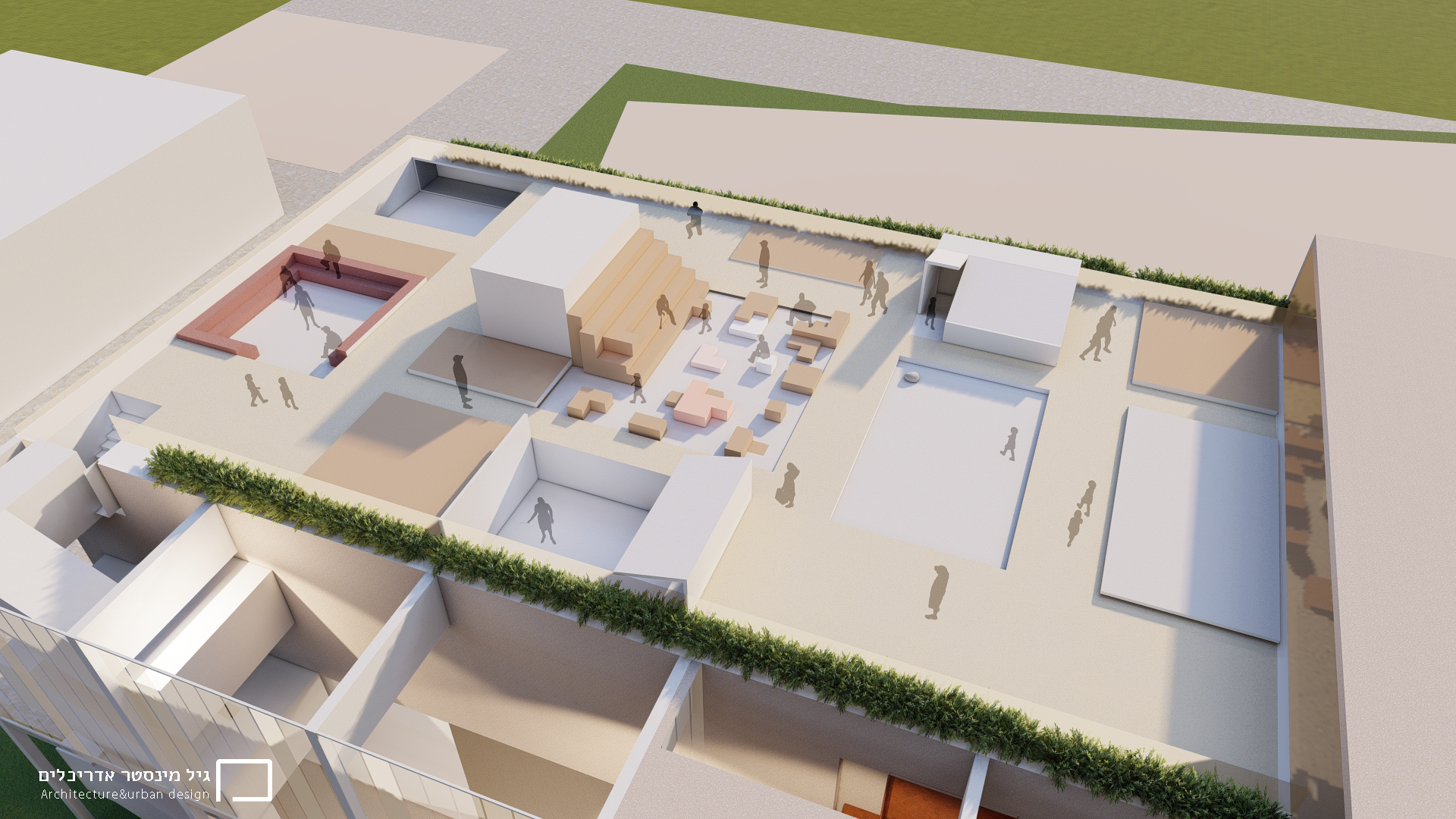
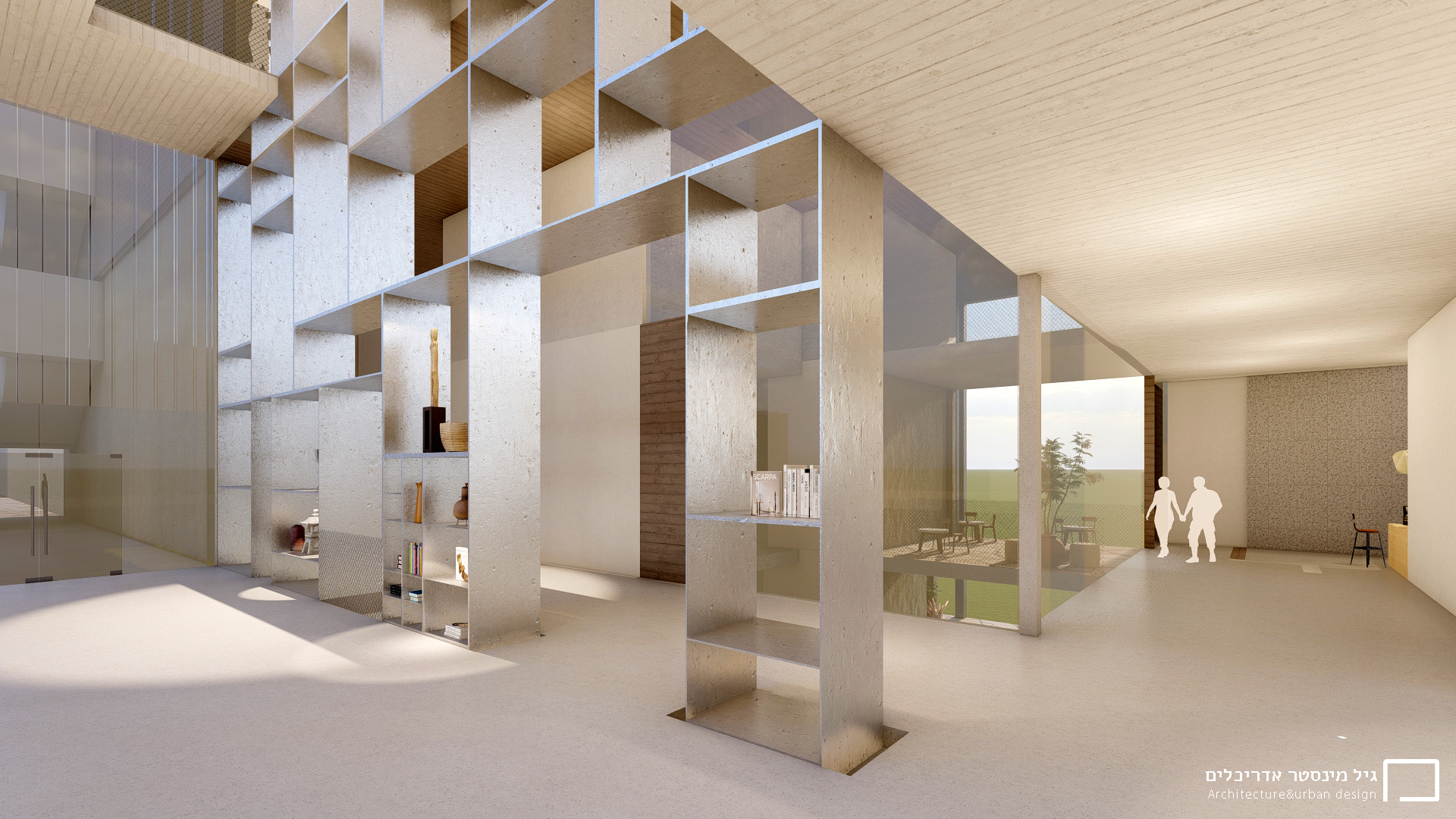
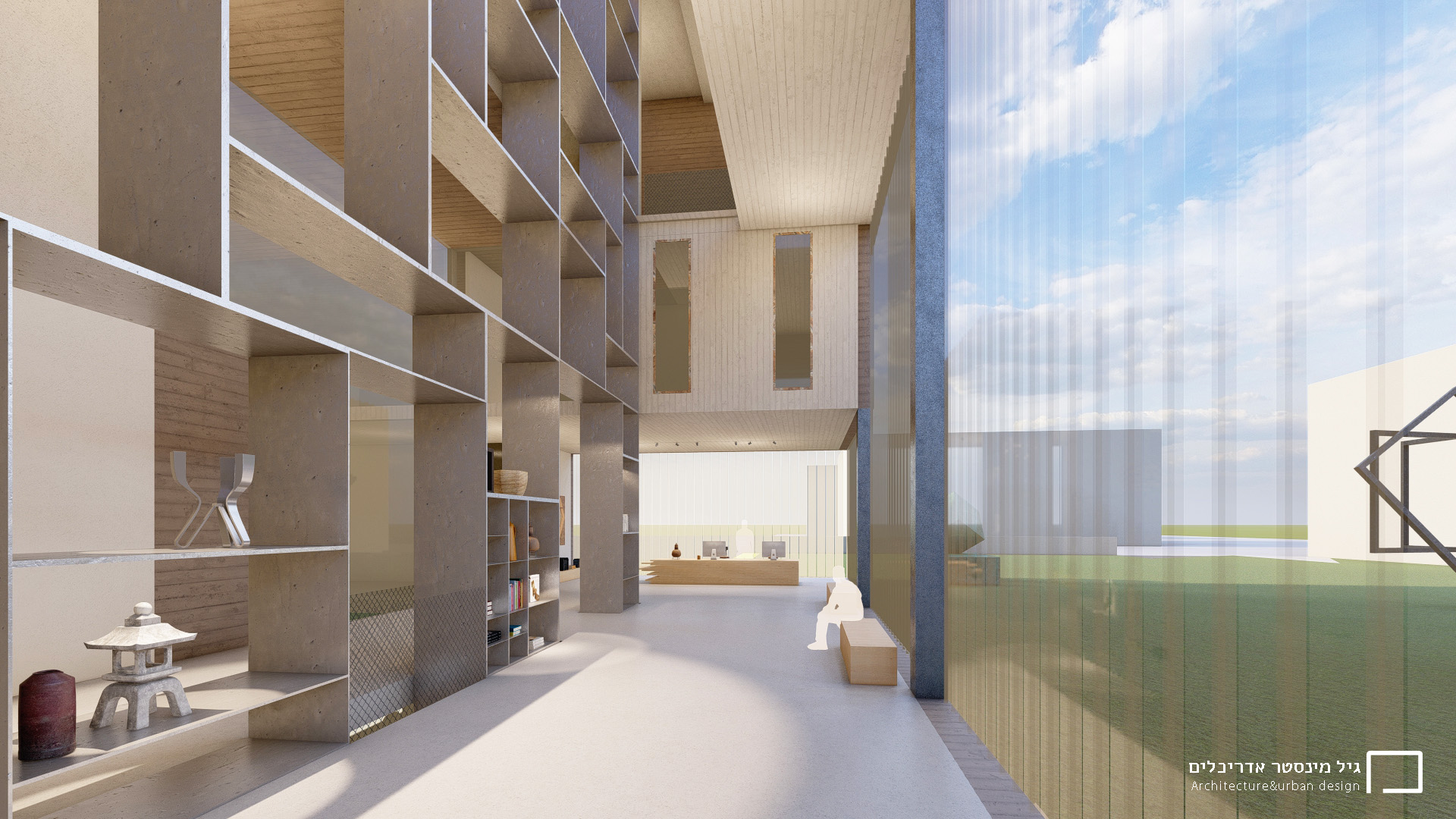
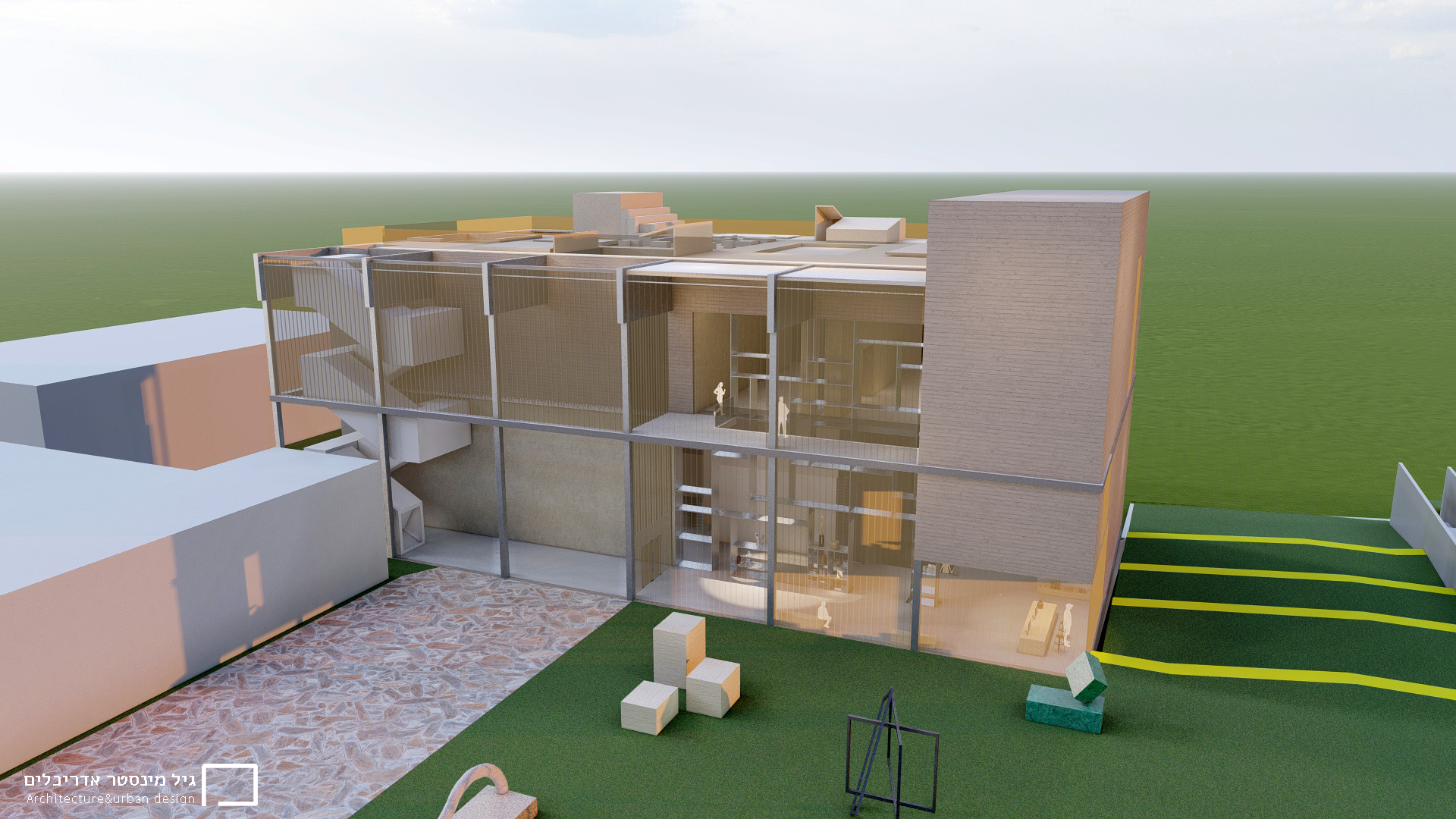
The museum will be built on the foundations of the existing Philistine Culture Museum in the city, which has been active for 30 years. It will be expanded and transformed into an ethnographic museum in Israel.
The museum will serve as a national model for tolerance, inclusion, and acceptance of people with different views, beliefs, and cultures.
The museum will encourage dialogue on tolerance, moderation, and the desire to understand the “other.” This understanding begins from an ancient historical point in the story of the Philistines and continues to the present day. The museum will tell a contemporary, timeless, and ongoing story about our approach to those who are different from us socially, religiously, and nationally.
The museum in Ashdod, as a multicultural and diverse city, encourages dialogue on tolerance, curiosity, and the desire to understand those who are different from us, despite differences and prejudices.
Ashdod: A Model of Multiculturalism
Ashdod was one of the five Philistine cities where the Philistines settled in the 12th century BCE. Archaeological research shows that the Philistines settled alongside the local inhabitants and lived in mutual interaction with their neighbors, influencing and being influenced by each other’s way of life and domestic customs.
The city’s multicultural character has been preserved even after the founding of the modern city in 1956. Demographic data place Ashdod as one of the most important cities in Israel for absorbing immigration. The city’s population is made up of residents from 99 different communities, living together side by side. This highlights Ashdod as one of the most multicultural cities in Israel. The city’s gates were opened to immigrants from different countries, making it a model of diversity and multiculturalism. Ashdod serves as an example of the Zionist ideal of absorbing immigrants, with long-time residents welcoming newcomers into the city, believing that this process contributes to Ashdod’s resilience and consolidation.
The museum will serve as a cultural and educational center, allowing the public to experience history, art, and culture. It will be a place for enrichment and leisure, fostering dialogue, promoting and mediating discussions based on the values of mutual respect, tolerance, and equality. The discussions in the museum’s meetings will encourage skills in creative thinking, participation, personal expression of opinion, and the transmission of educational messages alongside independent and original thinking that examines our identity as a society, as a people, as a group, and as individuals.